
Anti-Aging Creams: Selection and Application
A comprehensive editorial guide to understanding, selecting, and properly applying anti-aging skincare products for optimal results.
Key Features of Effective Anti-Aging Creams
Moisture Retention
Premium anti-aging formulations contain humectants like hyaluronic acid and glycerin that penetrate deeply into the epidermis. These ingredients draw moisture from both the air and deeper skin layers, creating a plumping effect that visibly reduces the appearance of fine lines. Proper hydration is the foundation of youthful-looking skin, making moisture retention the most critical feature of any anti-aging cream.
Antioxidant Protection
Antioxidants like vitamin C, vitamin E, and resveratrol work to neutralize free radicals that accelerate skin aging. These powerful compounds protect skin cells from environmental damage caused by UV exposure, pollution, and oxidative stress. High-quality anti-aging creams contain stabilized antioxidants in therapeutic concentrations to effectively combat daily environmental aggressors and maintain skin resilience.
Skin Renewal Support
Ingredients like peptides, retinol alternatives, and plant-derived renewal compounds encourage natural skin cell turnover. By promoting the shedding of dead skin cells and supporting the production of new ones, these components help improve skin texture, tone, and overall radiance. This gentle renewal process reveals fresher, more youthful skin without the irritation associated with harsher treatments.
Barrier Enhancement
A healthy skin barrier is essential for maintaining youthfulness and preventing moisture loss. Anti-aging creams formulated with ceramides, natural oils, and fatty acids strengthen the skin's protective lipid layer. This improved barrier function prevents transepidermal water loss, reduces inflammation, and allows other beneficial ingredients to penetrate more effectively while protecting against irritants.
UV Defense Integration
The sun is the primary external cause of premature aging. Many advanced anti-aging creams incorporate mineral filters or work synergistically with daily sunscreen use. UV protection prevents further damage to collagen and elastin, stops the formation of age spots, and reduces inflammatory responses. This foundational layer of defense is absolutely critical to any anti-aging skincare routine.
Advanced Formulation Science
Premium anti-aging creams employ advanced delivery systems that maximize ingredient efficacy. Multi-layer emulsions, encapsulation technologies, and pH-optimized formulations ensure that active compounds reach their target in the skin. These sophisticated formulations also maintain ingredient stability throughout the product's shelf life, delivering consistent results with every application.
Step-by-Step Application Guide
Cleanse and Prepare
Begin with a gentle cleanser suitable for your skin type to remove impurities, makeup, and environmental pollutants. Pat skin dry gently with a soft towel—avoid harsh rubbing that can irritate delicate facial tissue. Apply a hydrating toner or essence to slightly damp skin to enhance subsequent product penetration. This preparation step ensures that your anti-aging cream can work at maximum effectiveness by removing barriers to absorption.
Apply Treatment Serums
If using separate serums or essences (such as vitamin C or hydration boosters), apply these now while skin is still slightly damp. Use 2-3 drops and gently pat across the face and neck using your fingertips. Allow approximately one minute for absorption before proceeding. These lightweight treatments create an optimal foundation for your anti-aging cream and can enhance its overall efficacy through complementary ingredients.
Apply Anti-Aging Cream
Dispense a pea-sized to almond-sized amount of anti-aging cream onto your fingertips. Using gentle upward motions, apply to the face, neck, and décolletage—these areas show aging most visibly. Focus on problem zones like the eye area, forehead, and around the mouth. Use a light tapping motion for the delicate eye area rather than rubbing. Allow 2-3 minutes for full absorption before applying additional products or makeup.
Why Proper Application Technique Matters
The effectiveness of an anti-aging cream depends not just on its formula, but equally on how you apply it. Even the most advanced formulation will underperform if applied incorrectly or inconsistently. Proper technique ensures maximum ingredient penetration, prevents product waste, and minimizes the risk of irritation from improper handling.
Massage Direction
Always apply skincare products using upward strokes. This follows the natural direction of facial muscles and lymphatic drainage, promoting circulation and preventing sagging. Downward motions work against your skin's natural contours and may contribute to loss of firmness over time.
Temperature Consideration
Warmer skin absorbs products more effectively. Consider applying your anti-aging cream immediately after a warm shower or facial steam, when pores are open and circulation is increased. Avoid applying cold products directly to cold skin, as this can slow absorption.
Consistency and Timing
Results require consistent application twice daily—morning and night. Skincare benefits accumulate over weeks and months, not days. Establish a routine and stick to it for at least 4-6 weeks before evaluating results, as this is typically the skin cell renewal cycle.
Layering Order
Apply products from lightest to heaviest texture. Start with cleansers, then toners, followed by serums, and finish with creams. This sequence prevents occlusion of lighter products and ensures each layer can penetrate effectively without being blocked by heavier formulations.

Selection Criteria: How to Choose the Right Anti-Aging Cream
Skin Type Compatibility
Not all anti-aging creams suit every skin type. Dry skin requires richer formulations with occlusive ingredients like shea butter and plant oils. Oily or combination skin benefits from lightweight, gel-cream textures with non-comedogenic formulations. Sensitive skin needs fragrance-free options with minimal active concentrations. Identify your skin type and look for products specifically formulated for your needs to avoid irritation or inadequate results.
Active Ingredient Concentration
Effective anti-aging creams contain sufficient concentrations of active ingredients to produce visible results. Research what concentration research suggests is effective—for example, vitamin C should be 10-20% for optimal benefits. Higher concentrations aren't always better; they can cause irritation. Look for products with multiple complementary actives rather than relying on a single ingredient at high concentration.
Formulation Stability
Ingredients like vitamin C and retinol degrade quickly when exposed to light and air. Choose products in opaque packaging or airless pump dispensers rather than jars. Check manufacturing dates if available, and purchase from reputable retailers with good inventory turnover. Unstable formulations lose potency quickly, meaning you're paying for a product that won't deliver promised results.
Ingredient Sourcing and Purity
Reputable brands source high-quality, pure ingredients from established suppliers. Research the brand's sourcing practices and transparency about ingredient origins. Look for third-party testing information or certifications indicating quality standards. Pure ingredients are more effective and pose lower risks of contamination or unexpected reactions compared to lower-quality alternatives.
Research and Editorial Review
Before purchasing, read independent editorial reviews and ingredient analyses from trusted beauty and skincare publications. Check user feedback that mentions specific results rather than vague impressions. Look for brands that provide detailed information about their formulation philosophy and ingredient selection rationale. This research helps identify products with substance versus those relying on marketing hype.
Brand Reputation and Ethics
Established brands with consistent product quality and transparent practices offer greater confidence in your purchase. Research brand histories, manufacturing standards, and ethical practices. Avoid brands making exaggerated claims that sound too good to be true. A brand's commitment to education, ingredient transparency, and honest communication about what skincare can and cannot accomplish is a positive indicator of overall product quality.
Common Mistakes in Anti-Aging Skincare
Using Excessive Amounts
More product doesn't mean better results. Using too much anti-aging cream can overwhelm the skin, cause congestion, or lead to unwanted effects. A pea to almond-sized amount is typically sufficient for the entire face. Excess product is wasted and may create a heavy, uncomfortable feeling on the skin.
Switching Products Too Frequently
Skincare results require patience and consistency. Changing products every few weeks prevents your skin from adapting and showing improvements. Commit to a product for at least 4-6 weeks before evaluating effectiveness. Constant switching introduces new ingredients that may irritate skin and prevents you from determining which products truly work for you.
Neglecting the Neck and Décolletage
These areas are thinner-skinned and more exposed to sun damage, yet often receive minimal skincare attention. Apply your anti-aging cream generously to the neck and chest to prevent visible aging disparities. Many people invest in facial anti-aging while neglecting these equally important zones, resulting in noticeable age differences.
Skipping Sunscreen
UV damage is responsible for approximately 80% of visible aging. Using anti-aging creams while neglecting sunscreen undermines your efforts and allows continued damage. Daily broad-spectrum SPF 30+ is non-negotiable, even on cloudy days or when staying indoors. Sunscreen should be the foundation of any anti-aging routine.
Poor Ingredient Compatibility
Some ingredients work synergistically while others conflict. For example, using vitamin C with niacinamide can reduce effectiveness of vitamin C, though individual tolerance varies. Educate yourself about ingredient interactions before layering multiple active products. Sometimes fewer, well-chosen ingredients are more effective than a complex routine that may cause irritation or reduced efficacy.
Ignoring Lifestyle Factors
No anti-aging cream can compensate for poor sleep, stress, dehydration, smoking, or excessive alcohol consumption. These factors significantly impact skin aging at a cellular level. For optimal results, combine excellent skincare products with adequate sleep, hydration, stress management, and a healthy diet. Skincare is most effective when supported by healthy lifestyle choices.
Key Ingredients Explained
Hyaluronic Acid
A naturally occurring humectant that holds up to 1000 times its weight in water. In skincare, it penetrates the epidermis and draws moisture to the skin, plumping fine lines and improving hydration. Low molecular weight hyaluronic acid penetrates deeper than high molecular weight versions. This ingredient is suitable for all skin types and rarely causes sensitivity.
Peptides
Short chains of amino acids that support collagen and elastin production. Peptides signal skin cells to increase production of these structural proteins, improving firmness and elasticity. Various peptides target different concerns—some promote hydration, others support skin barrier function. They work gradually and are ideal for sensitive skin seeking gentle yet effective anti-aging support.
Retinol and Retinoids
Vitamin A derivatives that increase cell turnover and support collagen remodeling. Retinol converts to retinaldehyde then retinoic acid in the skin. More potent retinoids like tretinoin work faster but may cause initial irritation. Start with lower concentrations and gradually increase as skin builds tolerance. These ingredients are remarkably effective for improving texture, tone, and fine lines over time.
Vitamin C (Ascorbic Acid)
A potent antioxidant that protects skin from free radical damage and brightens complexion. Pure ascorbic acid is most effective but unstable; look for stabilized forms like SAP or MAP. This ingredient works synergistically with vitamin E and ferulic acid. Vitamin C is particularly valued for improving skin luminosity and supporting collagen synthesis, though it can be irritating for sensitive skin at high concentrations.
Niacinamide
A water-soluble B vitamin that strengthens the skin barrier, reduces sebum production, and has anti-inflammatory properties. Niacinamide improves skin elasticity and reduces the appearance of pores and fine lines. It's one of the most tolerable active ingredients, suitable even for sensitive or acne-prone skin. Most people see visible improvements within 4-6 weeks of consistent use.
Ceramides and Lipids
Ceramides are fatty substances naturally present in skin that form the barrier between cells. Products containing ceramide complexes with cholesterol and fatty acids repair and maintain the skin barrier. This is essential for reducing water loss, preventing irritation, and maintaining a youthful appearance. Proper barrier function allows other active ingredients to work more effectively while reducing sensitivity.
Understanding Skin Aging
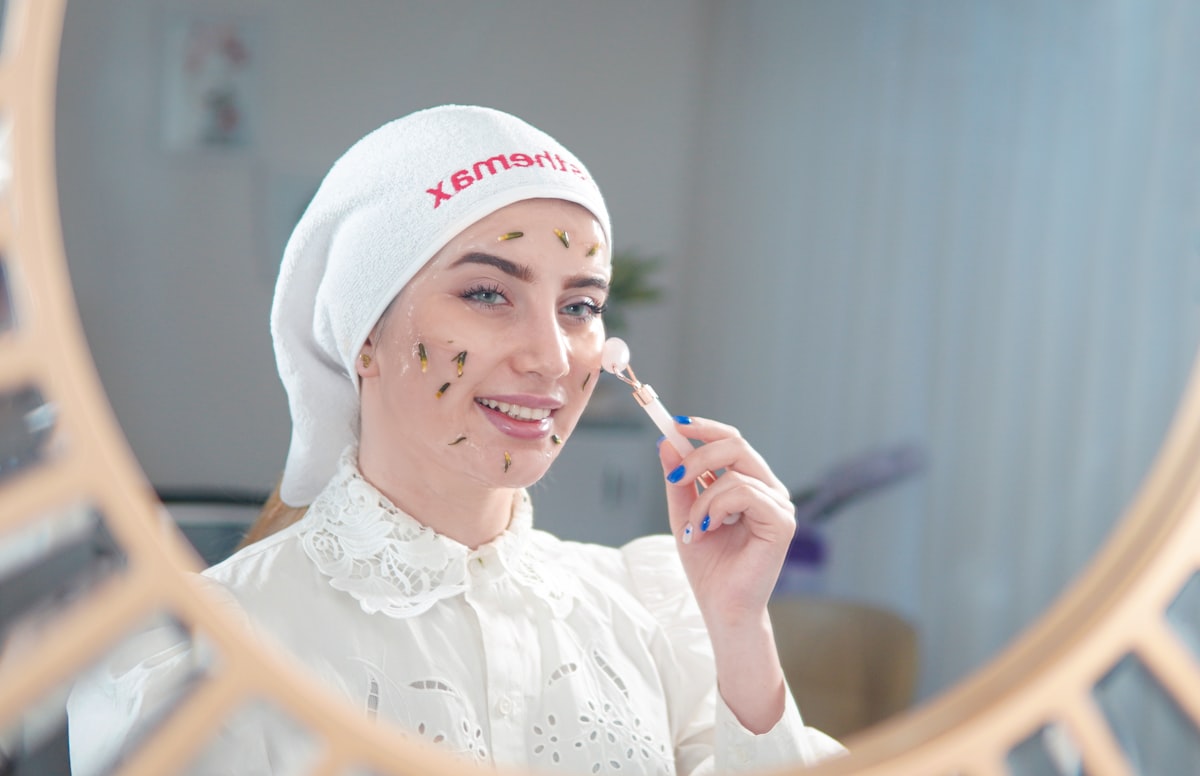
Skin aging is a complex biological process influenced by both intrinsic (genetic) and extrinsic (environmental) factors. Understanding these mechanisms helps you select appropriate anti-aging products and establish realistic expectations about results.
Intrinsic Aging Factors
- Collagen and elastin decline: Production decreases approximately 1% annually after age 25, reducing skin firmness and elasticity.
- Cell turnover slowing: The skin cell renewal cycle lengthens with age, resulting in dull, textured appearance.
- Moisture retention issues: Hyaluronic acid and natural moisturizing factors decrease, leading to dryness and fine lines.
- Reduced fat pads: Loss of subcutaneous fat causes hollowing and volume loss, contributing to aged appearance.
Extrinsic Aging Factors
- Sun exposure: UV radiation damages collagen and elastin, accelerates pigmentation changes, and increases skin roughness.
- Smoking: Reduces blood flow, impairs collagen synthesis, and causes premature wrinkling and skin discoloration.
- Poor lifestyle habits: Inadequate sleep, stress, dehydration, and poor diet accelerate visible aging signs.
- Environmental pollution: Free radicals from air pollution damage skin cells and trigger inflammation.
Combat Aging Skin with Our Solutions
Advanced Hydration
Our premium moisturizing serums and creams infuse skin with hyaluronic acid and peptides to plump fine lines, restore elasticity, and enhance radiance.
- Deep hydration for 24+ hours
- Restores skin barrier function
- Reduces fine lines instantly
Sun Protection
Broad-spectrum SPF 50+ formulas shield your skin from harmful UV rays, preventing photoaging, sun damage, and unwanted pigmentation.
- Prevents photoaging and dark spots
- Non-greasy, lightweight formulas
- Daily protection for all skin types
Targeted Treatments
Retinol, vitamin C, and niacinamide serums address specific aging concerns—wrinkles, loss of firmness, and uneven texture.
- Stimulates collagen production
- Brightens and evens skin tone
- Visible results in 4-6 weeks
Antioxidant Protection
Plant-derived antioxidants and green tea extract neutralize free radicals, reducing inflammation and supporting skin renewal.
- Fights environmental damage
- Reduces redness and irritation
- Calms sensitive skin
Real Results from Real Customers
"After just 6 weeks, my fine lines have significantly reduced. The retinol serum is a game-changer! My skin looks firmer and more radiant than ever."
Sarah M.
Verified Customer
"I've tried many anti-aging products, but these are the best. My skin feels hydrated, looks brighter, and the dark spots are fading. Highly recommend!"
Jennifer L.
Verified Customer
"The vitamin C serum combined with the moisturizer has transformed my complexion. People keep asking what I'm doing differently. I'm loving my skin again!"
Michelle K.
Verified Customer
Frequently Asked Questions
Most customers see visible improvements in hydration and radiance within 1-2 weeks. Fine lines and wrinkles typically show improvement within 4-6 weeks of consistent use. For deeper concerns like pigmentation and volume loss, allow 8-12 weeks for optimal results.
Yes! Our formulas are dermatologist-tested and hypoallergenic. We recommend starting with our gentle hydration line if you have sensitive skin. Always perform a patch test first, and introduce active ingredients like retinol gradually (2-3 times per week initially).
Absolutely! Our products are designed to work synergistically. A basic routine includes cleanser, serum, moisturizer, and SPF. You can layer multiple serums, but avoid combining retinol with vitamin C on the same night. We recommend consulting our skincare guide or our team for personalized routines.
Yes! We are proud to be 100% cruelty-free and vegan. All our products are developed without animal testing, and we use sustainable, ethically sourced ingredients. Our packaging is also recyclable to minimize environmental impact.